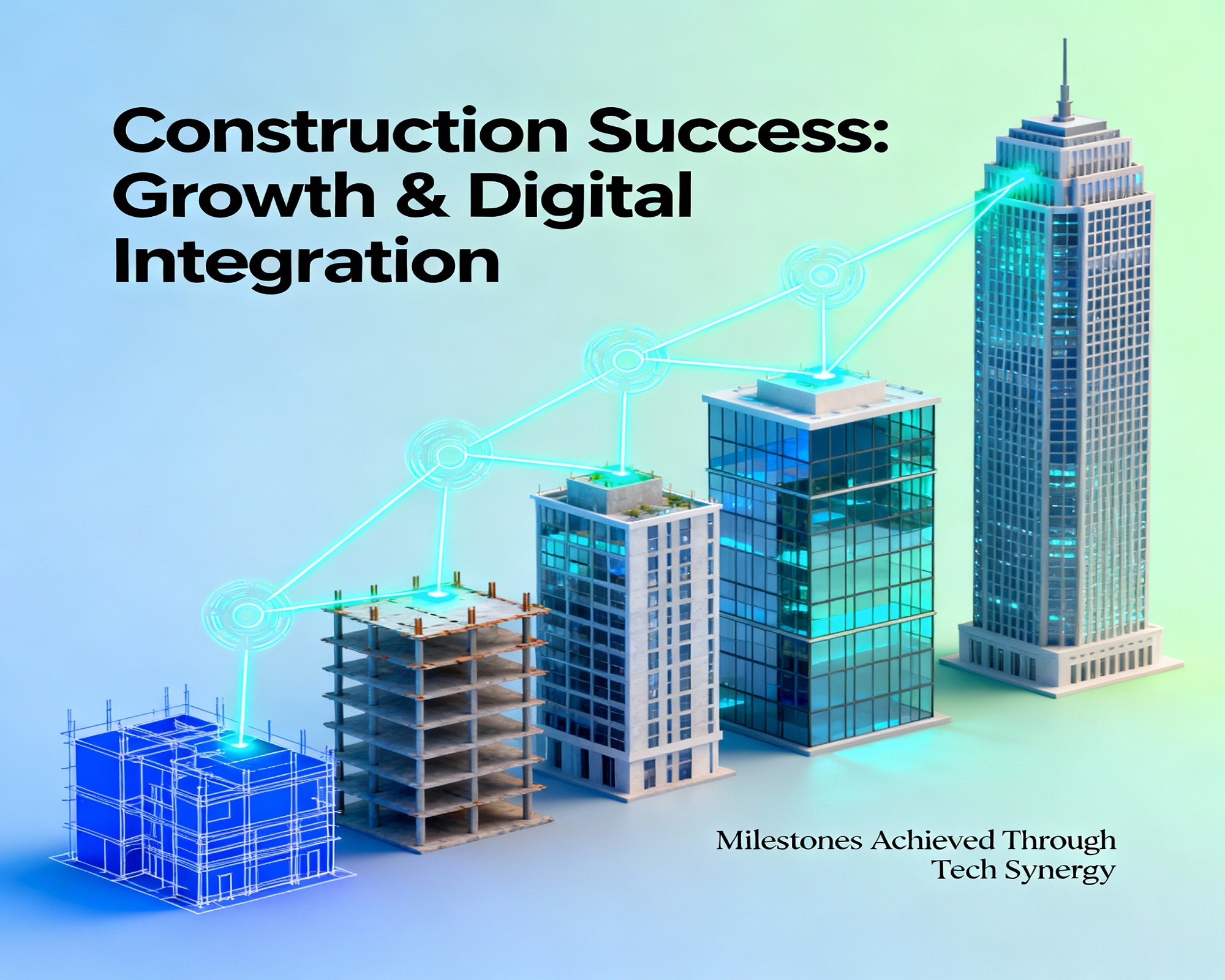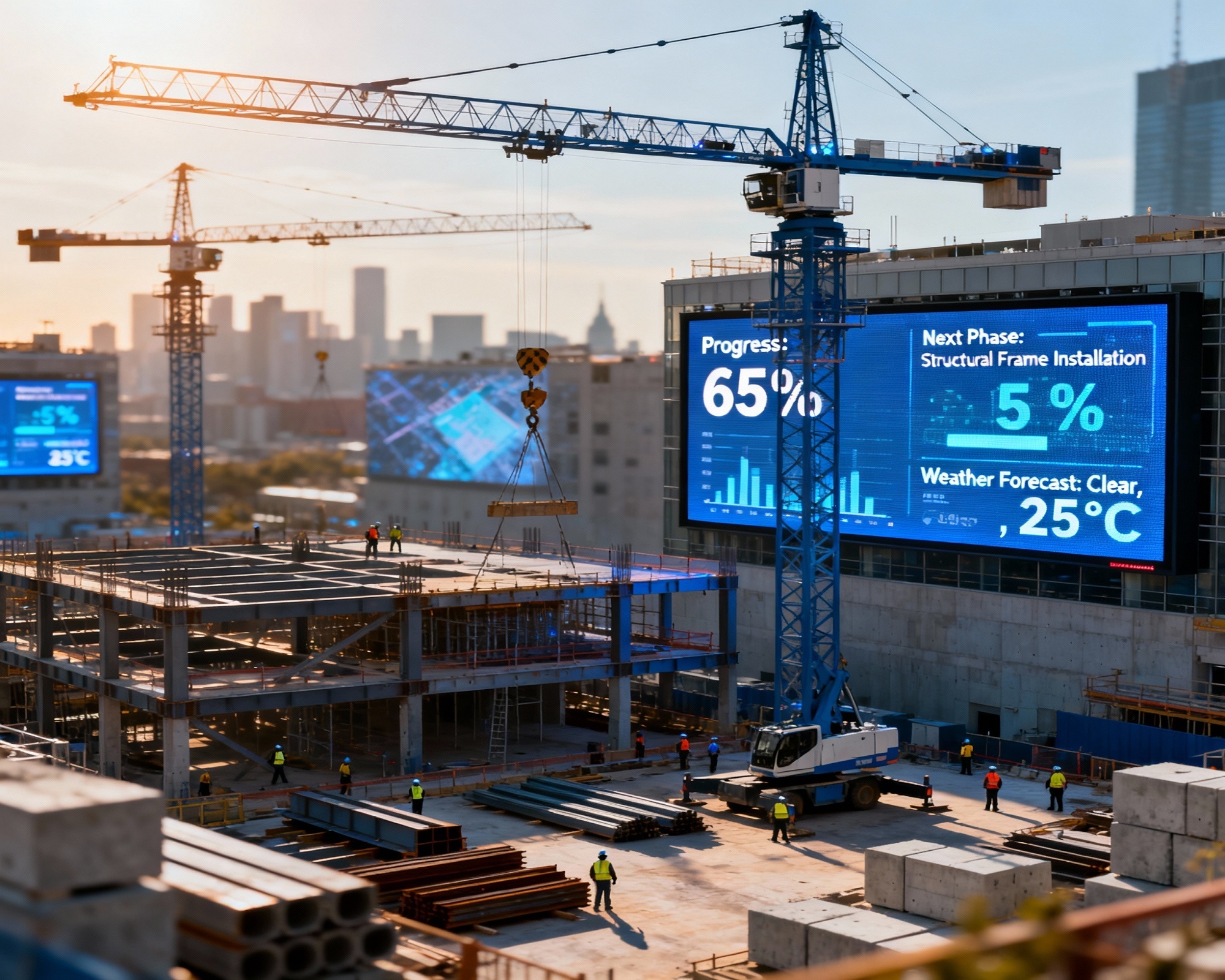
The European construction industry is changing fast. Technology adoption, sustainability pressures, and tighter margins are forcing companies to rethink how they plan, build, and scale. Firms that embrace modern, connected tools are outperforming those still relying on fragmented spreadsheets, email chains, and siloed communication. This guide outlines six practical strategies to grow profitably in 2025—plus how a connected construction platform can help execute them consistently
1) Embrace Digital Transformation
Digital transformation is no longer optional—it's the operating system of competitive contractors. Replacing paper and disconnected apps with a unified platform streamlines collaboration, reduces rework, and provides a single source of truth for every project. With real-time dashboards, automated workflows, and mobile-first access, teams gain full visibility across scope, timelines, and budget.
- ● Adopt an integrated project management system to centralize documents, tasks, RFIs, budgets, schedules, and change orders.
- ● Use real-time data and notifications to spot risks early and coordinate responses across office and field teams.
- ● Standardize processes (submittals, inspections, approvals) to reduce delays and improve quality.
2) Leverage BIM and Connected Data
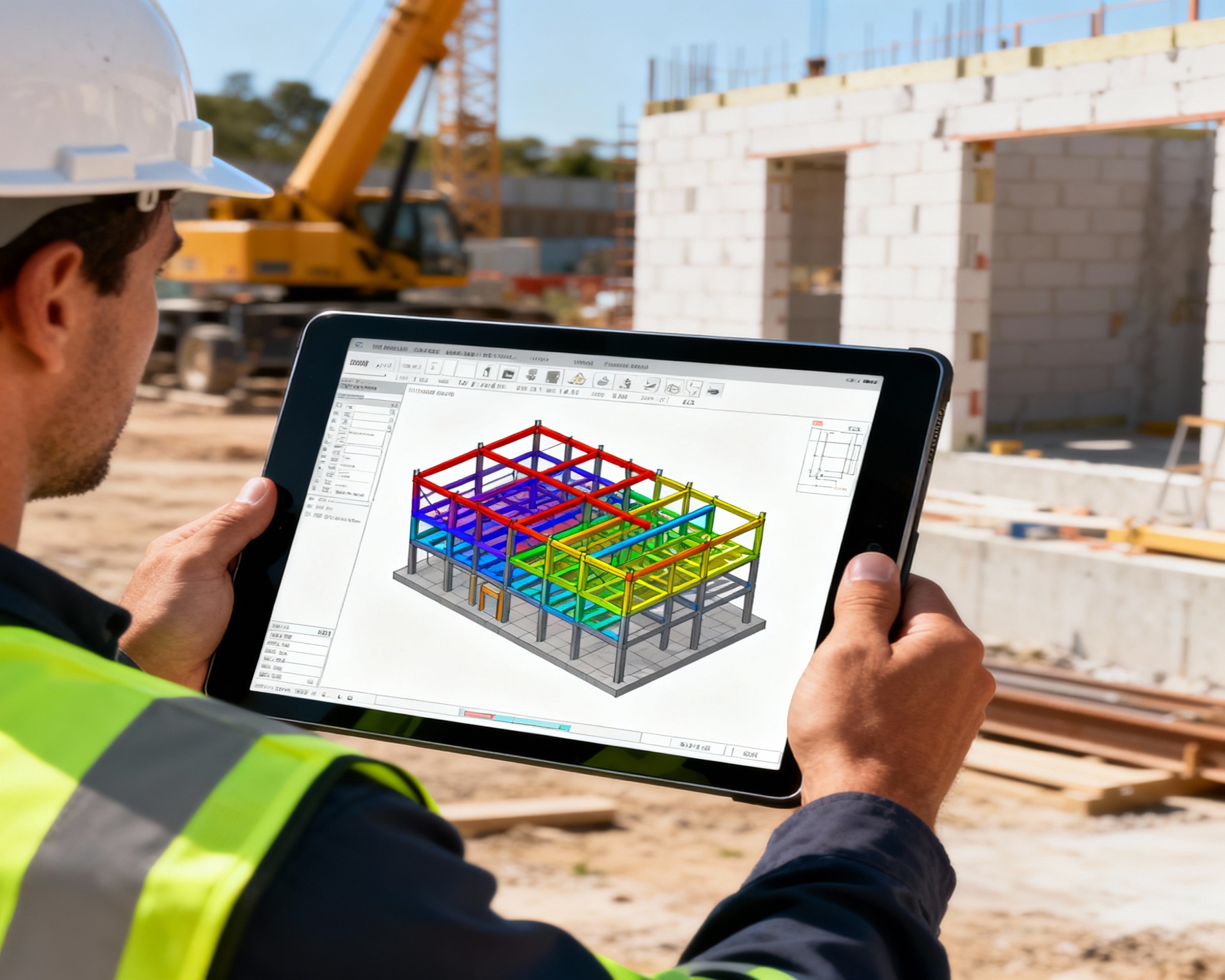
Building Information Modeling (BIM) provides a living model of the project that unites architects, engineers, contractors, and owners. When integrated with project management data, BIM goes from visualization to execution— linking drawings to tasks, quantities, budgets, and schedules.
- ● Connect BIM models to field tasks and progress tracking for accurate quantities and clash detection.
- ● Use digital twins to simulate scenarios and evaluate schedule and cost impacts before breaking ground.
- ● Keep a connected data repository so everyone works from the latest version—no more email attachments and outdated PDFs.
3) Build Sustainably—and Profitably
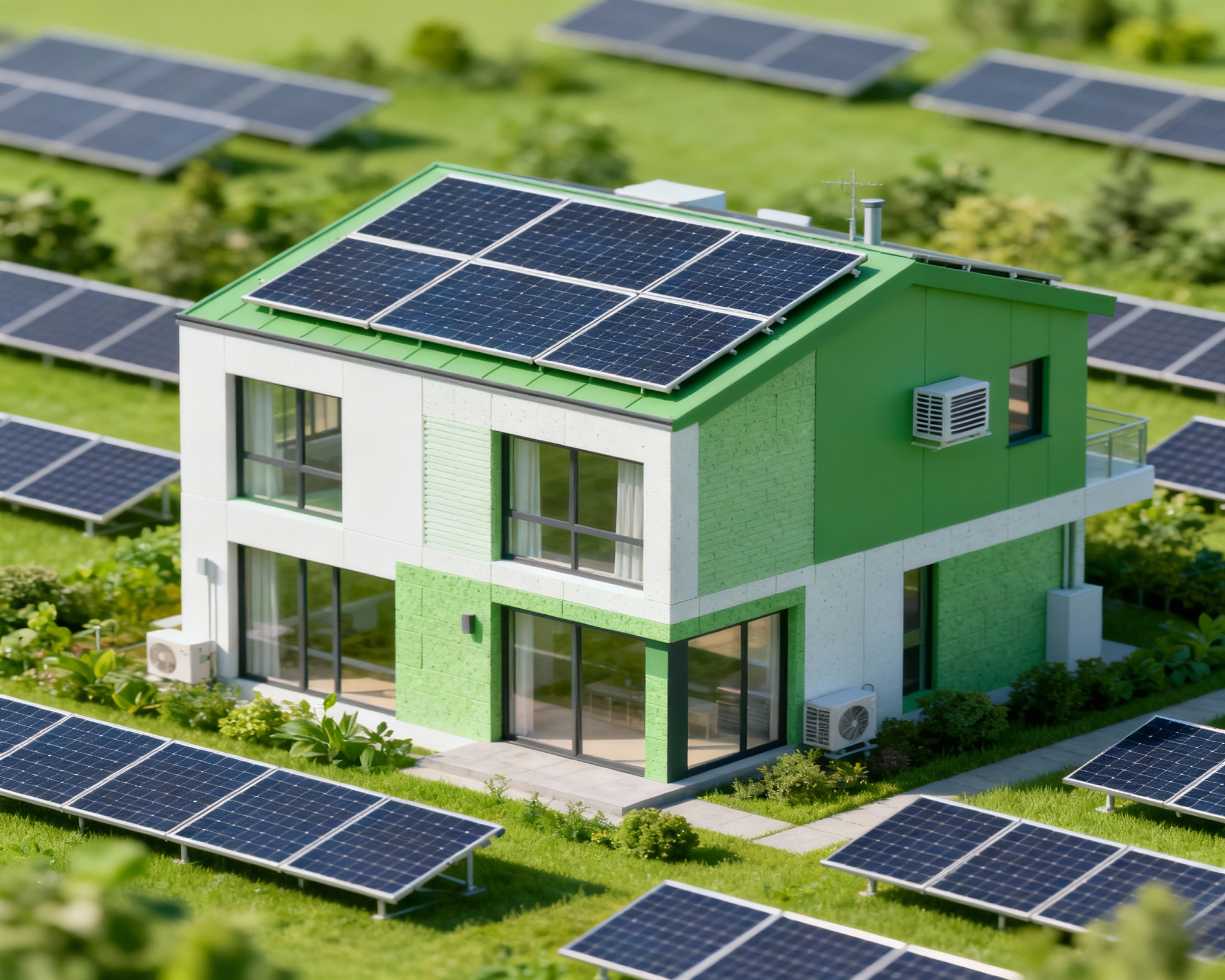
Sustainability is now a client expectation and a tender requirement. It also saves money when implemented correctly.
- ● Specify low-carbon materials and track material usage to minimize waste.
- ● Retrofit energy systems and measure consumption to meet ESG targets and reduce lifecycle costs.
- ● Document certifications (LEED/BREEAM) and evidence-based carbon savings to strengthen proposals.
4) Professionalize Workforce Management
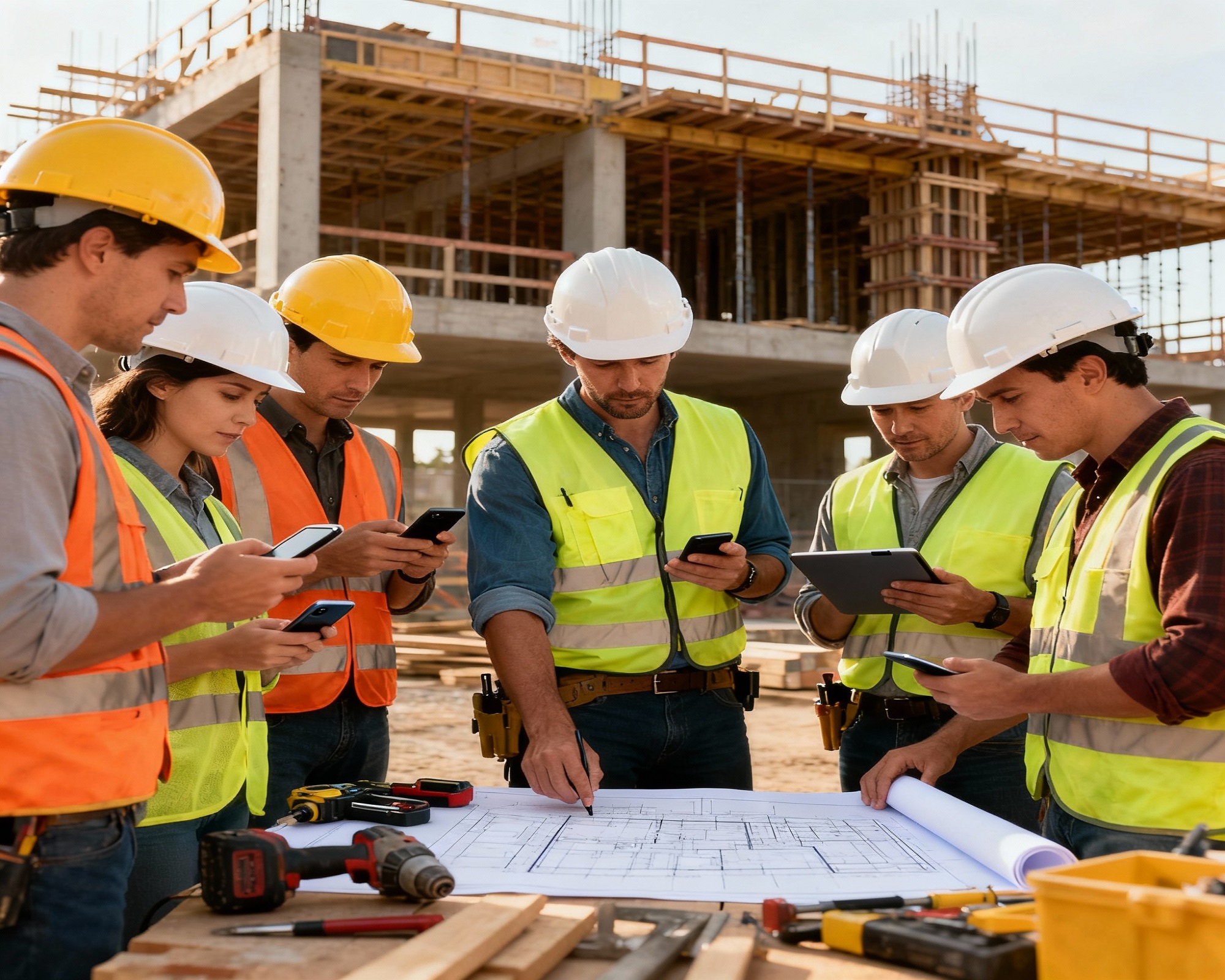
Labor remains the biggest risk and cost driver. Smarter planning and communication increase productivity and reduce overruns.
- ● Use drag-and-drop scheduling to assign crews by skills, certifications, and locations.
- ● Enable mobile timesheets, GPS-enabled fleet tracking, and automated compliance checks.
- ● Provide micro-learning and safety refreshers in-app to reduce incidents and onboarding time.
5) Optimize Resources and the Supply Chain
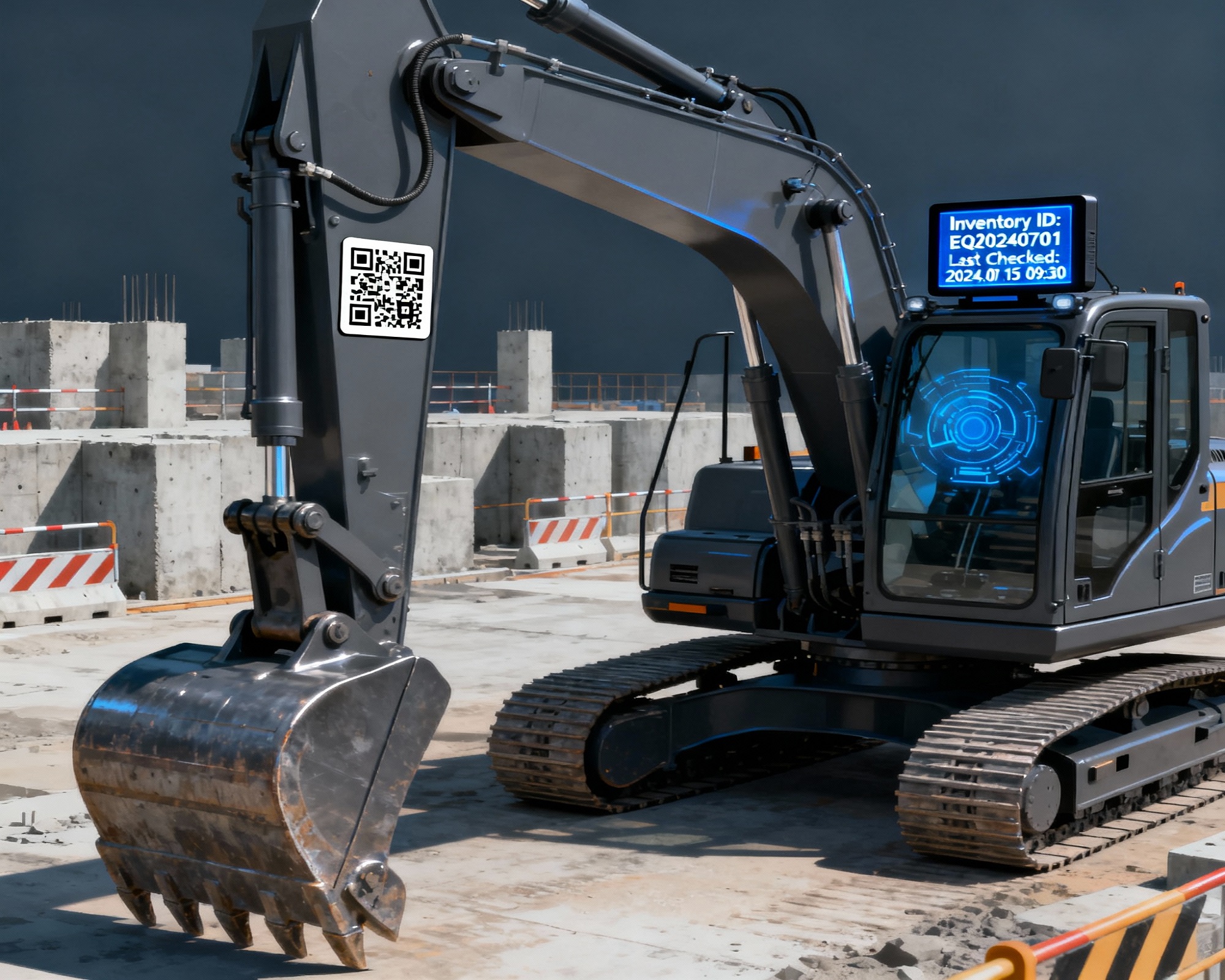
Material delays and equipment downtime derail schedules. A connected platform brings visibility from purchase order to installation.
- ● Track inventory levels and deliveries in real time; trigger alerts for shortages and long-lead items.
- ● Manage tools and equipment with QR codes and preventive maintenance plans to reduce loss and breakdowns.
- ● Adopt modular/prefab where feasible to shorten timelines, improve quality, and reduce on-site disruption.
6) Strengthen Financial Control and Forecasting

Profitability depends on accurate, timely financials—not month-end surprises.
- ● Tag costs to projects, phases, and cost codes for transparent job costing.
- ● Compare actuals vs. budget daily, not monthly; investigate variances immediately.
- ● Forecast cash flow and margin using live commitments and approved change orders.
Bringing It All Together with a Connected Platform
Executing these strategies requires a single platform that unites people, processes, and data—from tender to handover. A modern construction management solution centralizes documents, schedules, budgets, RFIs, and site reporting while delivering:
- ● Real-time dashboards and push notifications
- ● Drag-and-drop crew scheduling and GPS fleet tracking
- ● Centralized document control and audit trails
- ● Inventory, tools, and equipment tracking
- ● Detailed cost and revenue breakdowns per project, asset, and team
With connected data and standardized workflows, contractors deliver faster, safer, and more profitably—project after project.